
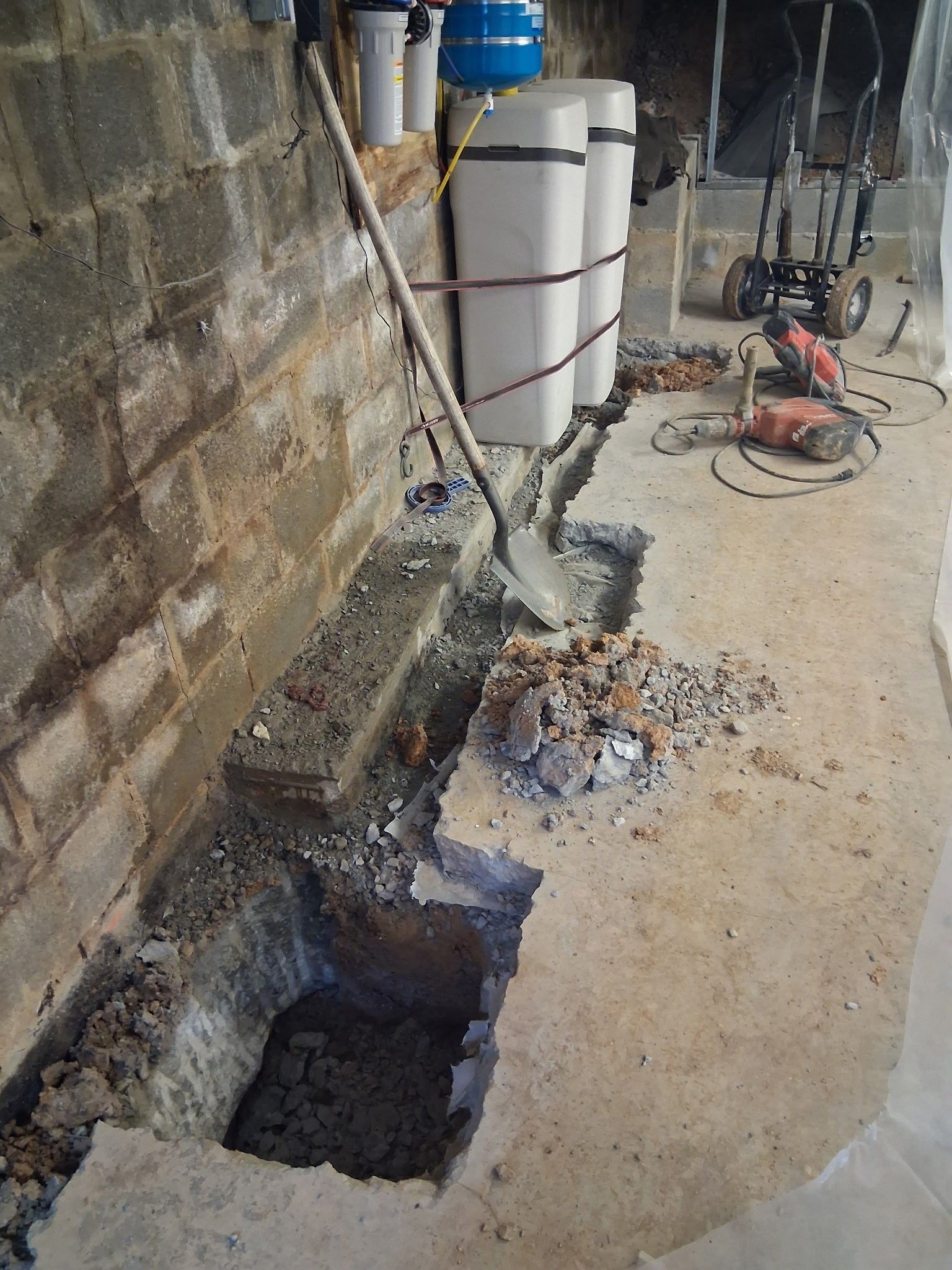
Professional Structural Crack Repair in Knoxville
Stop Small Cracks Before They Become Major Problems
Foundation cracks in Knoxville homes often start small but can quickly expand due to our area's soil movement and heavy rainfall patterns. Professional crack repair protects your home from structural weakness and water intrusion while preventing costly damage down the road.
All crack repairs are inspected for underlying soil or drainage issues to prevent recurrence.
Our specialized techniques address horizontal, vertical, and stair-step cracks caused by foundation settlement and water intrusion, ensuring repairs that last through East Tennessee's challenging weather cycles.
Schedule now to book your structural crack repair in Knoxville.
Knoxville, TN
37919
- Mon - Fri
- -
- Sat - Sun
- Closed
Why Choose Professional Structural Crack Repair in Knoxville?
We use advanced techniques including epoxy injection, carbon fiber reinforcement, and mortar re-pointing based on crack severity and location. Each method is selected specifically for your crack type and the underlying cause of the damage.
Our systematic approach protects Knoxville homes from expanding cracks that weaken support walls and allow water seepage. Insta Dri, LLC evaluates every crack within the context of your home's overall foundation health and moisture management needs.
Beyond the visible repair, we address drainage and soil issues that contribute to crack formation, ensuring your investment provides long-term protection against future foundation movement.
Call today for professional structural crack repair in Knoxville.
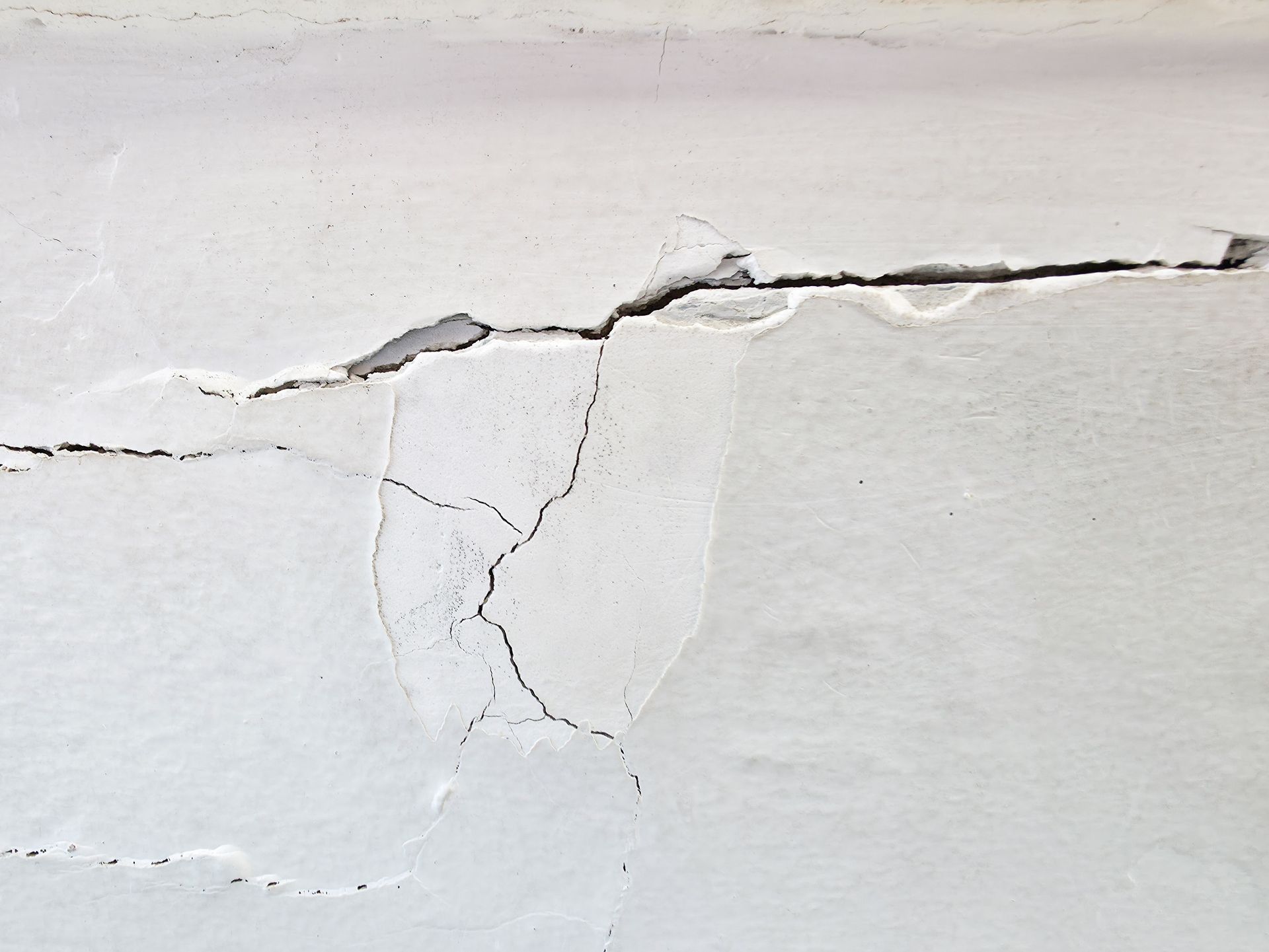
Every Foundation Crack Has an Underlying Cause
A visible crack is often a symptom of movement, pressure, moisture, or changing soil conditions around the foundation. Repairing the surface without identifying what caused the crack may leave the home vulnerable to continued movement or recurring water intrusion.
Before recommending a repair, Insta Dri evaluates the location, direction, width, and pattern of the crack. We also look for related conditions such as foundation settlement, bowing walls, hydrostatic pressure, drainage problems, soil movement, floor unevenness, sticking doors, and moisture entering through the foundation.
The appropriate solution depends on what the crack is telling us about the structure.
A narrow, stable crack may require a different repair than a widening stair-step crack, a horizontal basement-wall crack, or a crack associated with sinking foundation sections. Our goal is to determine whether the problem is isolated to the cracked area or connected to a larger foundation concern.
Crack Pattern and Direction
Horizontal, vertical, diagonal, and stair-step cracks can indicate different types of movement or pressure.
Foundation Movement
Settlement, lifting, rotation, or lateral wall movement may require stabilization rather than surface crack filling alone.
Water Intrusion
Cracks that leak may require waterproofing or drainage correction in addition to structural repair.
Soil and Drainage Conditions
Knoxville’s clay-rich soils can expand when wet and contract during dry periods, placing changing pressure on foundations.
Structural Load
Cracks near support walls, columns, beams, windows, and door openings may require a closer structural evaluation.
What Different Foundation Cracks May Indicate
Not all foundation cracks present the same level of concern. Their direction, size, location, and rate of change can help determine whether the problem is related to normal material shrinkage, water pressure, soil movement, or structural settlement.
A professional inspection is the best way to determine what type of repair is appropriate.
Vertical Cracks
Vertical cracks are commonly found in poured concrete foundation walls. Some form as concrete cures and shrinks, while others may develop because of minor settlement or water pressure.
Small, stable vertical cracks may be repairable through injection. Wider cracks, active leaks, displacement, or continued movement may require additional investigation.
Horizontal Cracks
Horizontal cracks can indicate significant pressure against a basement or foundation wall.
Expansive soil, poor drainage, hydrostatic pressure, and repeated freeze-thaw conditions can push inward against the wall over time. Horizontal cracking may be accompanied by bowing, leaning, or inward wall movement.
These conditions should be evaluated promptly.
Stair-Step Cracks
Stair-step cracks typically follow mortar joints in block or brick foundations.
They may indicate differential settlement, soil movement, inadequate drainage, footing movement, or shifting foundation sections. Stair-step cracks that widen or show displacement should not be treated as cosmetic problems.
Diagonal Cracks
Diagonal cracks often appear near windows, doors, corners, and areas where the foundation is experiencing uneven movement.
The severity depends on the width of the crack, the amount of separation, and whether other signs of settlement are present.
Floor Cracks
Concrete slab and basement-floor cracks can develop from shrinkage, soil movement, settlement, or pressure beneath the slab.
Some floor cracks are relatively minor. Others may be associated with slab displacement, water intrusion, or broader foundation settlement.
Cracks With Water Seepage
A crack that allows water into the basement or crawlspace may require both crack repair and moisture correction.
Stopping the visible leak without addressing exterior drainage, groundwater pressure, or foundation waterproofing may provide only temporary relief.
A crack does not need to be large to deserve attention. Changes in width, recurring water intrusion, wall movement, or multiple cracks in the same area may indicate that the foundation is continuing to shift.
Signs a Foundation Crack May Be Structural
Homeowners often ask whether a crack is cosmetic or a sign of a larger foundation problem. While only an inspection can confirm the cause, certain conditions deserve prompt attention.
Watch for These Warning Signs
The Crack Is Getting Wider
A crack that changes over time may indicate continuing movement rather than an isolated shrinkage issue.
The Wall Is Bowing or Leaning
Horizontal cracking combined with inward wall movement can signal pressure from soil or water outside the foundation.
Doors or Windows Are Sticking
Changes in door and window operation may occur when framing shifts because of settlement or foundation movement.
Floors Are Sloping or Uneven
Sagging, sloping, or bouncing floors may point to foundation settlement, weakened supports, or crawlspace structural problems.
Multiple Cracks Appear in the Same Area
A pattern of cracks may be more significant than a single isolated hairline crack.
The Crack Follows a Stair-Step Pattern
Stair-step cracks in block or brick foundations can indicate uneven settlement or movement between foundation sections.
Water Enters Through the Crack
Recurring seepage suggests the foundation is experiencing both a crack problem and external water pressure.
The Foundation Shows Visible Displacement
One side of a crack sitting farther inward or outward than the other may indicate structural movement.
Cracks Appear in Interior Drywall
Wall and ceiling cracks above the foundation may be connected to settlement, framing movement, or shifting structural loads.
Do not wait for a small crack to become a larger repair. Insta Dri can inspect the foundation, evaluate the surrounding conditions, and explain whether the crack requires monitoring, sealing, reinforcement, waterproofing, or stabilization.
Structural Foundation Crack Repair Methods
There is no single repair method that works for every foundation crack. The right approach depends on whether the crack is stable or active, whether water is entering, and whether the foundation is experiencing settlement or wall movement.
Insta Dri selects the repair method based on the condition of the home rather than using the same treatment for every crack.
Epoxy Crack Injection
Epoxy injection is commonly used to bond certain stable cracks in poured concrete walls.
The material fills the crack and helps restore continuity across the damaged concrete. Epoxy may be appropriate when the crack is dry, accessible, and not associated with ongoing movement.
Epoxy injection is not intended to correct active settlement or significant wall displacement.
Polyurethane Crack Injection
Polyurethane injection is often used for cracks that allow water seepage.
The flexible material expands within the crack and helps seal irregular openings. This method may be useful where minor movement or recurring moisture is present.
Waterproofing or drainage improvements may still be needed when exterior water pressure is contributing to the problem.
Carbon-Fiber Reinforcement
Carbon-fiber straps or reinforcement systems may be used to strengthen certain foundation walls showing cracking or inward movement.
Carbon fiber is thin, strong, and can be installed with less disruption than some traditional reinforcement methods. The wall must still be evaluated to determine whether the movement is appropriate for carbon-fiber stabilization.
Steel Wall Reinforcement
Steel reinforcement may be recommended for walls experiencing more significant bowing, lateral pressure, or structural movement.
The exact system depends on the wall construction, available space, amount of movement, and surrounding soil conditions.
Mortar Repointing and Masonry Repair
Cracked or deteriorated mortar joints may be repaired after the underlying movement has been evaluated.
Repointing restores damaged joints but should not be used as the only solution when the masonry is continuing to shift.
Foundation Piering
Steel piers may be installed when cracks are caused by foundation settlement.
Pier systems transfer the weight of the structure to more stable soil or load-bearing strata beneath the settling area. Piering may help stabilize the foundation and, in some cases, improve alignment.
Wall Anchors
Wall-anchor systems may be recommended for certain bowing or leaning foundation walls.
Anchors use stable soil outside the foundation to help resist inward wall movement. The system may also allow for gradual correction in suitable conditions.
Slab Stabilization
Cracks associated with sinking or unsupported concrete may require slab stabilization rather than crack filling alone.
The repair plan depends on the amount of settlement, condition of the slab, and cause of the void or soil movement beneath it.
The visible crack should not determine the repair by itself. Insta Dri evaluates the entire foundation area so the selected method addresses the cause, severity, and structural conditions involved.
Our Foundation Crack Inspection and Repair Process
A thorough repair begins with understanding why the crack formed. Insta Dri follows a systematic process to evaluate the damage, identify contributing conditions, and develop an appropriate repair plan.
Step 1
Inspect the Crack and Surrounding Foundation
We evaluate the crack’s width, length, direction, location, and visible displacement.
The surrounding wall, slab, floor system, masonry, and structural components are also reviewed for related movement.
Step 2
Look for Signs of Settlement or Wall Movement
Our team checks for bowing walls, uneven floors, foundation rotation, sticking doors, window separation, framing cracks, and other indicators that the problem may extend beyond the visible crack.
Step 3
Evaluate Water and Drainage Conditions
We inspect for seepage, poor grading, hydrostatic pressure, clogged drainage systems, foundation openings, gutter discharge, and other conditions that may be placing pressure on the foundation.
Step 4
Determine the Appropriate Repair Method
Based on the findings, we recommend the method that best matches the crack type and underlying cause.
This may include injection, masonry repair, reinforcement, waterproofing, drainage correction, wall stabilization, slab stabilization, or foundation piering.
Step 5
Provide a Written Repair Plan
The homeowner receives a clear explanation of the findings, recommended repair, expected scope of work, and pricing.
The written plan should identify whether the repair is intended to seal, reinforce, stabilize, waterproof, or correct movement.
Step 6
Complete the Structural Repair
The repair is performed according to the approved scope using methods appropriate for the foundation material and structural condition.
Step 7
Address Contributing Moisture Problems
When water intrusion or soil saturation contributed to the damage, additional waterproofing or drainage improvements may be recommended.
Step 8
Review the Completed Work
After the repair, the work area is reviewed and the homeowner is informed of any monitoring, maintenance, or moisture-control recommendations.
Foundation Crack Repair and Waterproofing May Both Be Necessary
Structural repair and waterproofing solve different parts of a foundation problem.
Foundation crack repair addresses the damaged concrete, block, mortar, wall, slab, or structural support. Waterproofing addresses the water conditions that may be entering through the crack or placing pressure against the foundation.
When both issues are present, completing only one part of the work may leave the underlying problem unresolved.
Foundation Repair May Address
- Structural cracking
- Foundation settlement
- Bowing or leaning walls
- Stair-step masonry cracks
- Slab movement
- Weakened foundation sections
- Failing supports
- Uneven structural loads
Waterproofing May Address
- Water entering through cracks
- Hydrostatic pressure
- Basement seepage
- Poor exterior drainage
- Groundwater intrusion
- Foundation-wall moisture
- Drainage-system failure
- High basement or crawlspace humidity
A leaking crack may need to be sealed, but the water pressure behind the wall should also be evaluated. A settling foundation may need stabilization, but drainage conditions around the footing may also need improvement.
Insta Dri can evaluate both the structural and moisture-related sides of the problem and develop a more complete repair recommendation.
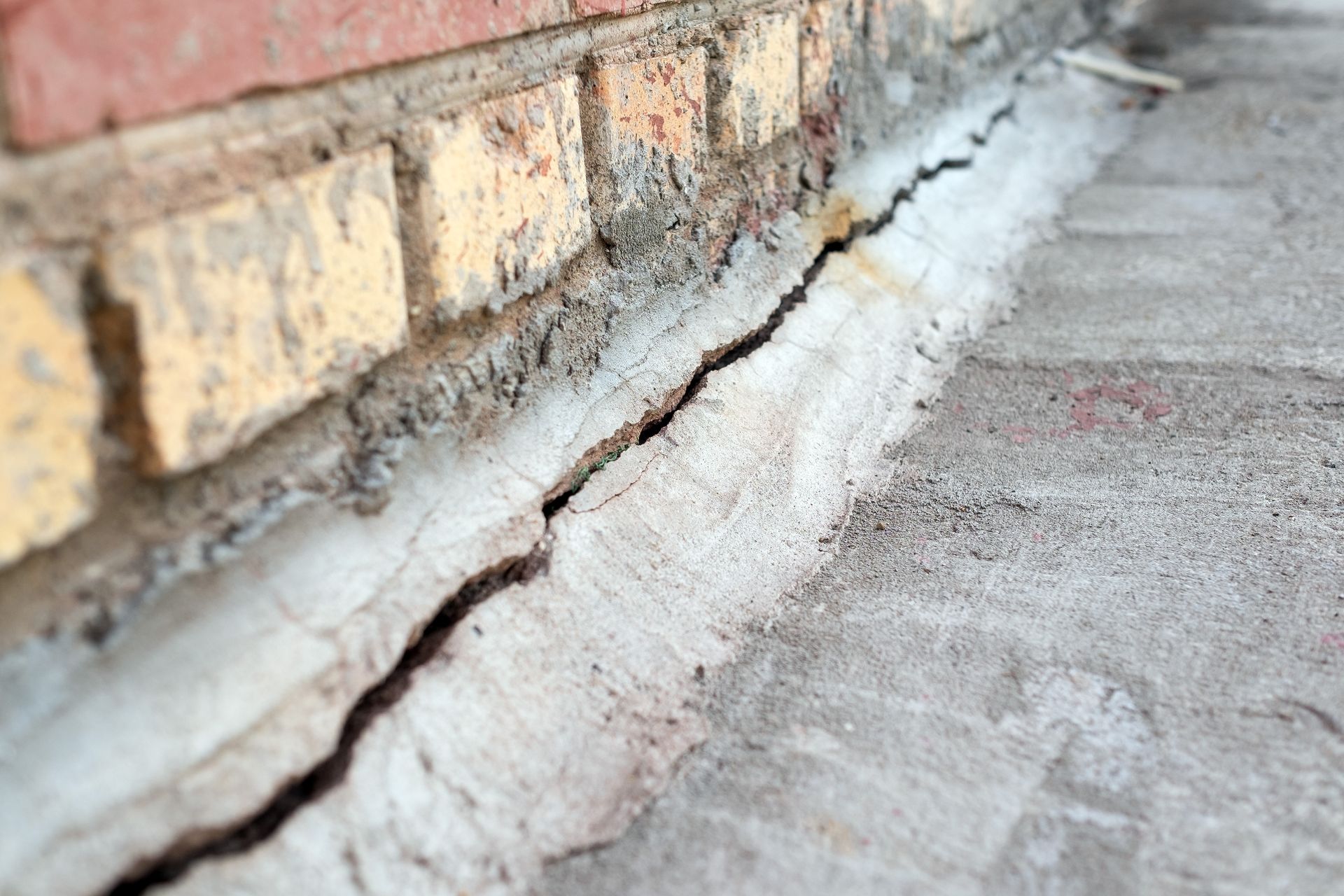
Why Knoxville Foundations Develop Cracks
Foundation cracks are common in East Tennessee because local homes are exposed to changing soil moisture, periods of heavy rainfall, sloped properties, clay-rich soils, and drainage conditions that place pressure on foundation walls and footings.
Clay soil expands as it absorbs water and contracts as it dries. These repeated changes can contribute to movement beneath or around the foundation.
Heavy rain can also saturate soil near basement walls. When water does not drain away properly, hydrostatic pressure builds against the foundation and may contribute to leaking cracks, bowing walls, or masonry deterioration.
Common Local Contributing Factors
Expansive Clay Soil
Clay soils can place changing pressure on the foundation as moisture levels rise and fall
Heavy Seasonal Rainfall
Periods of prolonged rain may saturate soil and increase water pressure against basement and foundation walls.
Sloped Lots
Homes built on hillsides or uneven terrain may experience different soil and drainage conditions across the foundation.
Poor Grading
Ground that slopes toward the home can direct rainwater toward the foundation instead of away from it.
Short or Disconnected Downspouts
Roof runoff deposited near the foundation can saturate soil around the footing.
Aging Drainage Systems
Older foundation drains may become clogged, damaged, or unable to manage current water conditions.
Crawlspace Moisture
High humidity, standing water, or weakened supports in the crawlspace may contribute to floor movement and cracking elsewhere in the home.
A successful repair should reflect the conditions surrounding the Knoxville property, not just the appearance of the crack inside the home.
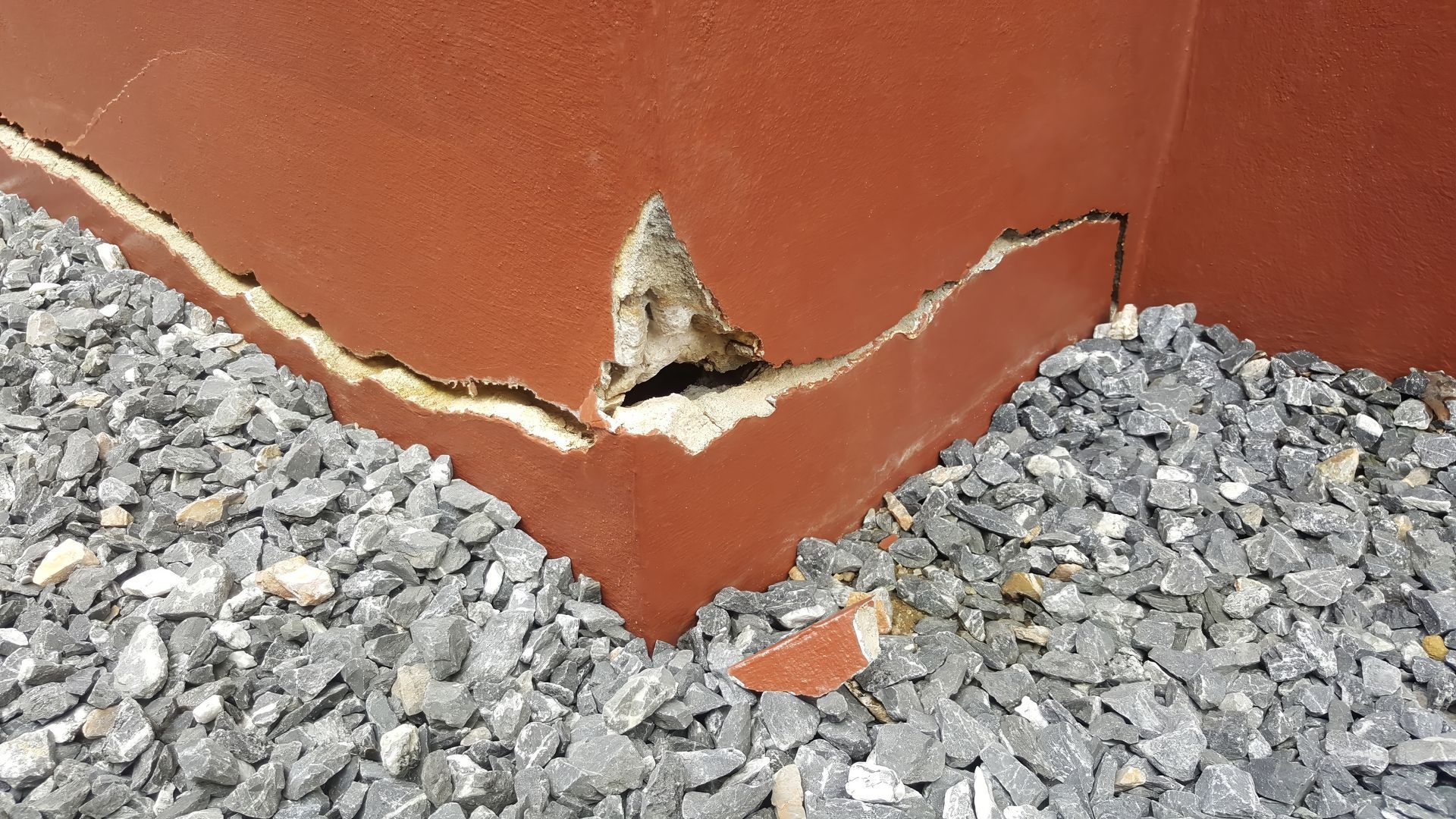
When Foundation Cracks Are Caused by Settlement
Settlement occurs when part of the foundation moves downward because the soil beneath it can no longer support the structure evenly.
This may happen because of soil erosion, poor compaction, repeated wet and dry cycles, plumbing leaks, drainage problems, or changes in the ground beneath the footing.
Filling the crack alone does not stop settlement.
When the foundation is continuing to move, stabilization may be required to transfer the weight of the home to more reliable supporting soil.
Signs of Foundation Settlement
- Diagonal cracks extending from windows or doors
- Stair-step cracks in masonry
- Uneven or sloping floors
- Doors that no longer close properly
- Gaps around windows or trim
- Chimneys separating from the house
- Cracks reopening after previous repairs
- One portion of the foundation sitting lower than another
- Interior drywall cracks above the affected foundation area
Repair Approach
Depending on the severity and location of the settlement, the solution may include foundation piers, structural reinforcement, footing stabilization, slab support, drainage correction, or repair of weakened crawlspace supports.
Insta Dri evaluates the visible crack together with the home’s broader structural conditions before recommending a settlement-repair plan.
Structural Repair for Bowing or Cracked Foundation Walls
A basement or foundation wall may begin to bow inward when pressure from surrounding soil exceeds the wall’s ability to resist it.
This pressure often increases when the soil becomes saturated with water. Horizontal cracking, inward movement near the center of the wall, and separation near the top or corners may indicate that the wall is under stress.
Depending on the condition of the wall, repair options may include:
Carbon-fiber reinforcement
Steel wall supports
Wall-anchor systems
Masonry repair
Drainage improvements
Exterior excavation
Foundation waterproofing
Soil-pressure correction
The appropriate solution depends on the amount of movement, wall material, accessibility, drainage conditions, and whether the wall is still actively shifting.
A bowing wall should not be covered, painted, or cosmetically patched before the structural movement is evaluated. Surface repairs can hide the warning signs without correcting the pressure causing them.
Why Foundation Cracks Should Be Addressed Early
Foundation problems do not always become emergencies immediately. However, cracks caused by settlement, wall pressure, or water intrusion can become more complicated as movement continues.
Early evaluation may help homeowners:
Identify a drainage problem before it damages more of the foundation
Repair a localized crack before it widens
Stabilize a settling section before interior damage increases
Prevent water from repeatedly entering the basement
Reduce the risk of insulation, framing, or flooring damage
Preserve doors, windows, drywall, and finished basement materials
Understand whether the crack is stable or continuing to change
Plan the repair before the condition becomes more disruptive
Homeowners do not need to diagnose the crack themselves. The first step is documenting the condition and scheduling a professional evaluation..
What to Ask Before Hiring a Foundation Repair Company
Foundation repair is not a service that should be based on a quick visual estimate alone. Homeowners should understand what caused the crack, why a specific method is being recommended, and whether the solution addresses both movement and moisture.
Will You Inspect the Entire Affected Area?
The contractor should evaluate more than the most visible part of the crack.
What Caused the Crack?
The repair plan should explain whether the damage is associated with shrinkage, settlement, wall pressure, moisture, drainage, or another condition.
Is the Foundation Still Moving?
An active structural problem may require stabilization before the crack itself is sealed.
What Repair Method Will You Use?
Homeowners should know whether the proposed solution involves epoxy, polyurethane, carbon fiber, steel reinforcement, anchors, piering, masonry repair, or another method.
Does the Water Problem Also Need to Be Corrected?
When seepage or saturated soil contributed to the crack, drainage or waterproofing should be part of the discussion.
Will I Receive a Written Estimate?
A written plan should clearly define the scope of work, repair method, pricing, limitations, and warranty terms.
Is the Repair Covered by a Warranty?
The homeowner should understand what is covered, how long the coverage lasts, and whether maintenance or drainage conditions affect it.
What Should Knoxville Residents Expect
Our fully warrantied workmanship ensures long-term strength and peace of mind for homeowners throughout the region.
What's included in the service?
Repairs for horizontal, vertical, and stair-step cracks caused by foundation settlement and water intrusion
How do we handle different crack types?
Techniques include epoxy injection, carbon fiber reinforcement, and mortar re-pointing based on crack severity
What makes our approach different?
All crack repairs are inspected for underlying soil or drainage issues to prevent recurrence
Why is local expertise important?
We serve neighborhoods throughout West Knoxville, Fountain City, and Hardin Valley with understanding of local soil conditions
What guarantee do we provide?
Fully warrantied workmanship ensures long-term strength and peace of mind
Don't let minor foundation issues become major expenses. Contact Insta Dri, LLC today for a professional inspection before minor cracks become major issues.
Frequently Asked Questions
What methods do you use to repair structural foundation cracks?
We use repair methods based on the cause, location, and severity of the crack. Options may include epoxy injection for certain stable concrete cracks, polyurethane injection for cracks with active seepage, carbon-fiber or steel reinforcement for stressed walls, masonry repair, wall stabilization, and steel piering for settlement-related damage. Every repair begins with an inspection and written recommendation.
How do I know whether a foundation crack is serious?
Cracks are more concerning when they are widening, horizontal, stair-stepped, leaking, or accompanied by wall movement, uneven floors, sticking doors, or gaps around windows. Visible displacement on either side of the crack can also indicate movement. A professional inspection is the safest way to determine whether the crack is cosmetic, moisture-related, or structural.
Can you repair a crack that is leaking water?
Yes. Depending on the condition, a leaking crack may be sealed with an appropriate injection material. However, we also inspect for drainage problems, groundwater pressure, grading issues, and other moisture sources. Sealing the crack without addressing persistent water pressure may not provide a complete long-term solution.
What is the difference between epoxy and polyurethane injection?
Epoxy is generally used to bond certain stable cracks in poured concrete. Polyurethane expands within a crack and is commonly used when water seepage is present or limited flexibility is needed. The correct material depends on whether the crack is dry, leaking, stable, active, or associated with structural movement.
Can a repaired foundation crack reopen?
A crack may reopen when the foundation continues to move or when the underlying cause was not corrected. That is why we evaluate settlement, soil pressure, drainage, and structural conditions before selecting a repair method. Stabilization or waterproofing may be needed in addition to sealing the crack.
Do all foundation cracks require piering?
No. Piering is generally considered when a foundation section is settling or can no longer be supported adequately by the surrounding soil. Stable shrinkage cracks and certain isolated wall cracks may be repairable without piers. The inspection determines whether the problem involves settlement.
What causes stair-step cracks in block foundations?
Stair-step cracks often form when one part of a block or brick foundation moves differently from another. Common causes include differential settlement, expansive soil, erosion, drainage problems, or footing movement. The width, location, and amount of displacement help determine the severity.
Are horizontal foundation cracks dangerous?
Horizontal cracks can indicate significant pressure against the foundation wall, particularly when the wall is bowing inward. The pressure may come from saturated soil, poor drainage, or expansive clay. Horizontal cracks should be evaluated promptly because the wall may require reinforcement or stabilization.
Will you provide a written repair estimate?
Yes. After evaluating the crack and surrounding foundation conditions, Insta Dri provides a written recommendation explaining the proposed scope of work. The estimate should identify the repair method, related moisture or drainage recommendations, pricing, and available warranty information.
Are your structural crack repairs warrantied?
Insta Dri offers fully warrantied workmanship for qualifying repairs. The exact coverage depends on the service and repair method. Warranty terms should be clearly explained in the written proposal before work begins.
How long does structural crack repair take?
The timeline depends on the crack type, accessibility, repair method, and whether stabilization, waterproofing, or drainage work is also needed. Some injection repairs may be completed relatively quickly, while piering, wall stabilization, or extensive masonry repairs require additional time.
Can foundation cracks affect the value of my home?
Unresolved structural or water-related cracks may concern buyers and inspectors. Professional repair documentation can help demonstrate that the condition was evaluated and addressed. Homeowners should retain repair proposals, invoices, warranty information, and any related inspection documentation.
Should I monitor a small crack before repairing it?
Some small cracks may be monitored when they appear stable and no related warning signs are present. However, a crack should be inspected when it is widening, leaking, displaced, or associated with other structural changes. Photographs and dated measurements can help document whether the crack changes over time.
Do you repair cracks in both basements and crawlspaces?
Yes. Insta Dri evaluates foundation cracks in basements, crawlspaces, block walls, poured-concrete walls, slabs, and other accessible foundation areas. The repair method depends on the material, structural conditions, and source of movement or moisture.
Is foundation waterproofing included with crack repair?
Waterproofing is not automatically included with every crack repair. If the inspection shows that water pressure, drainage, or groundwater intrusion contributed to the damage, we may recommend waterproofing or drainage services as part of a more complete solution.
Clear Inspections, Written Repair Plans and Warrantied Workmanship
Foundation repair should not leave homeowners guessing about what is wrong or why a particular repair is being recommended.
After inspecting the affected area, Insta Dri explains:
The type and location of the crack
Signs of settlement or wall movement
Moisture or drainage conditions affecting the foundation
The recommended repair method
Whether stabilization is necessary
Whether waterproofing or drainage improvements are recommended
The expected scope and timeline
Written pricing
Available warranty coverage
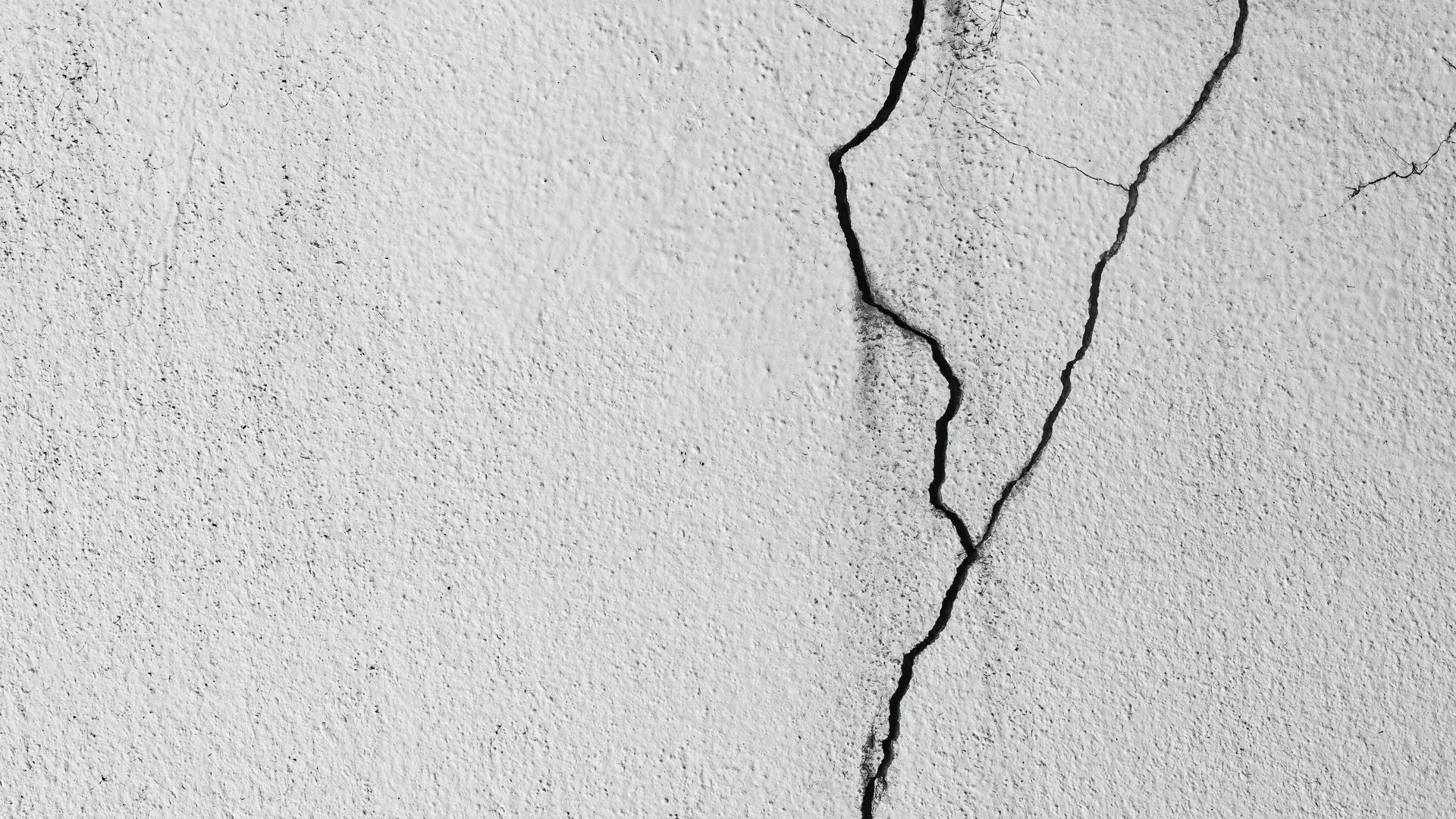
Stop Small Foundation Cracks Before They Become Larger Repairs
A foundation crack may be the first visible sign of settlement, soil pressure, water intrusion, or structural movement.
Insta Dri can inspect the affected area, identify the likely cause, and provide a written repair recommendation based on the condition of your home.
Whether the solution involves crack injection, wall reinforcement, foundation stabilization, piering, waterproofing, drainage correction, or a combination of services, our team will explain the findings before work begins.
Serving Knoxville and surrounding East Tennessee communities.