
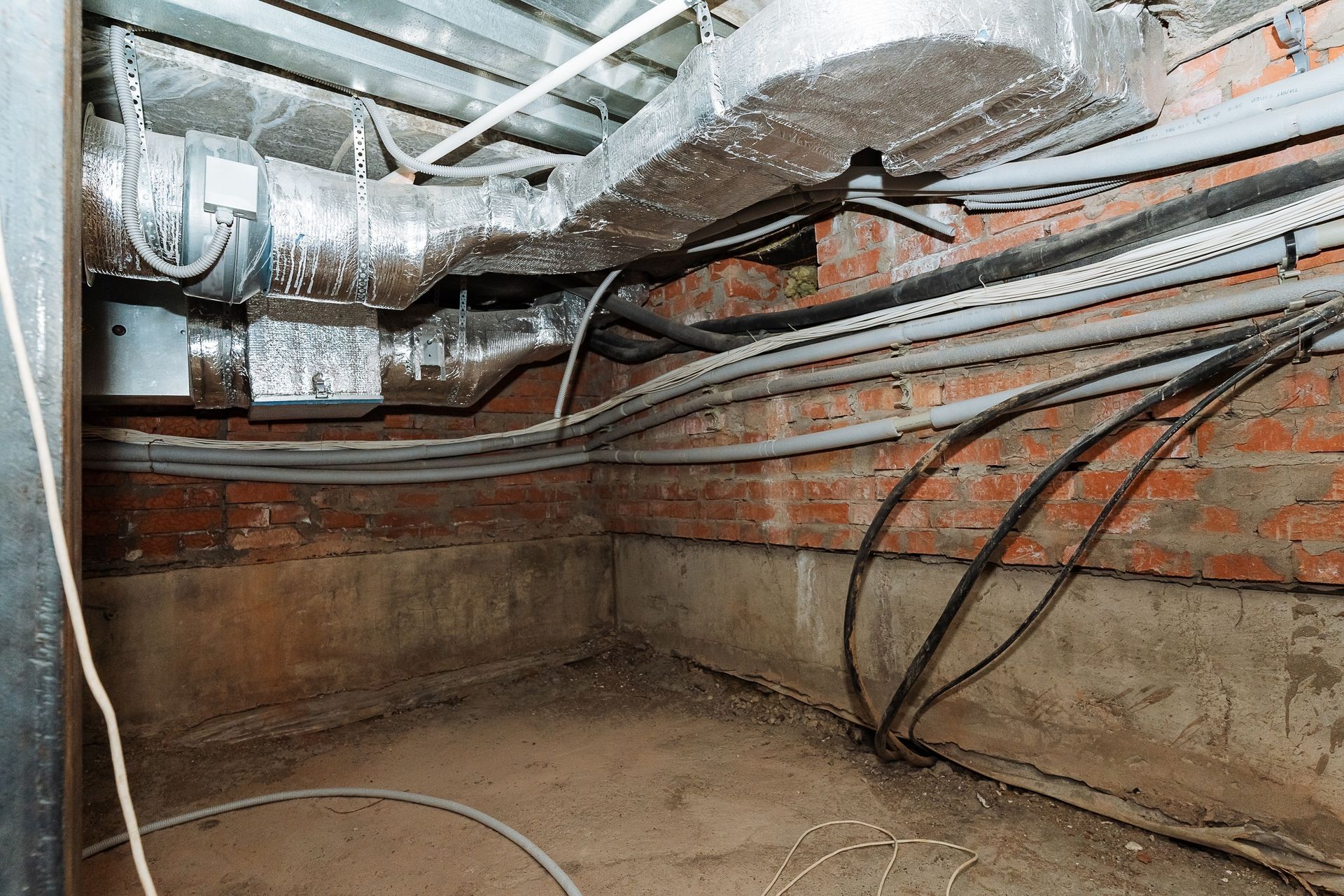
Stop Mold Growth Before It Spreads
Crawlspace Mold Removal in Knoxville for musty odors, visible mold on joists, and rising indoor humidity
Insta Dri, LLC provides crawlspace mold removal in Knoxville for homeowners dealing with damp, poorly ventilated crawlspaces where mold has taken hold. You may have noticed a musty smell seeping into your living areas or spotted dark patches spreading across floor joists and insulation. Crawlspaces become breeding grounds for mold because they combine high humidity, limited airflow, and moisture rising from soil, creating conditions that allow spores to colonize wood framing, insulation, and ductwork within weeks.
This service addresses mold contamination by removing affected materials, treating surfaces with antimicrobial solutions, and addressing the moisture source that allowed growth in the first place. In Knoxville, where vented crawlspaces and humid summers are common, untreated mold can compromise structural wood and degrade indoor air quality as spores circulate through your HVAC system. The removal process begins with containment to prevent cross-contamination, followed by extraction of contaminated insulation and treatment of joists, then concludes with moisture mitigation measures such as vapor barriers or dehumidification systems.
If you are noticing persistent odors or visible mold below your home, contact Insta Dri, LLC to schedule an evaluation of your crawlspace conditions.
Knoxville, TN
37919
- Mon - Fri
- -
- Sat - Sun
- Closed
How Crawlspace Mold Removal Protects Your Home
You start with a thorough inspection that identifies mold colonies, measures moisture levels in the soil and air, and checks for compromised insulation or structural wood. Technicians use moisture meters and infrared cameras to locate hidden water intrusion points, then establish containment barriers with plastic sheeting and negative air pressure to isolate the work area from your living space.
After completion, you will notice cleaner air inside your home, elimination of the musty odor that previously entered through floor gaps and vents, and dry conditions in the crawlspace that prevent mold from returning. Insta Dri, LLC ensures that treated surfaces are free of visible contamination and that moisture readings fall within acceptable ranges to inhibit future growth. The crawlspace becomes a controlled environment rather than a liability.
The service includes removal of wet or moldy insulation, HEPA vacuuming of dust and spore deposits, and application of antimicrobial agents to joists and subfloors. It does not include structural repairs to rotted framing, which may require separate carpentry work if deterioration has progressed beyond surface contamination. Moisture control measures such as encapsulation or perimeter drainage may be recommended based on findings during the inspection.
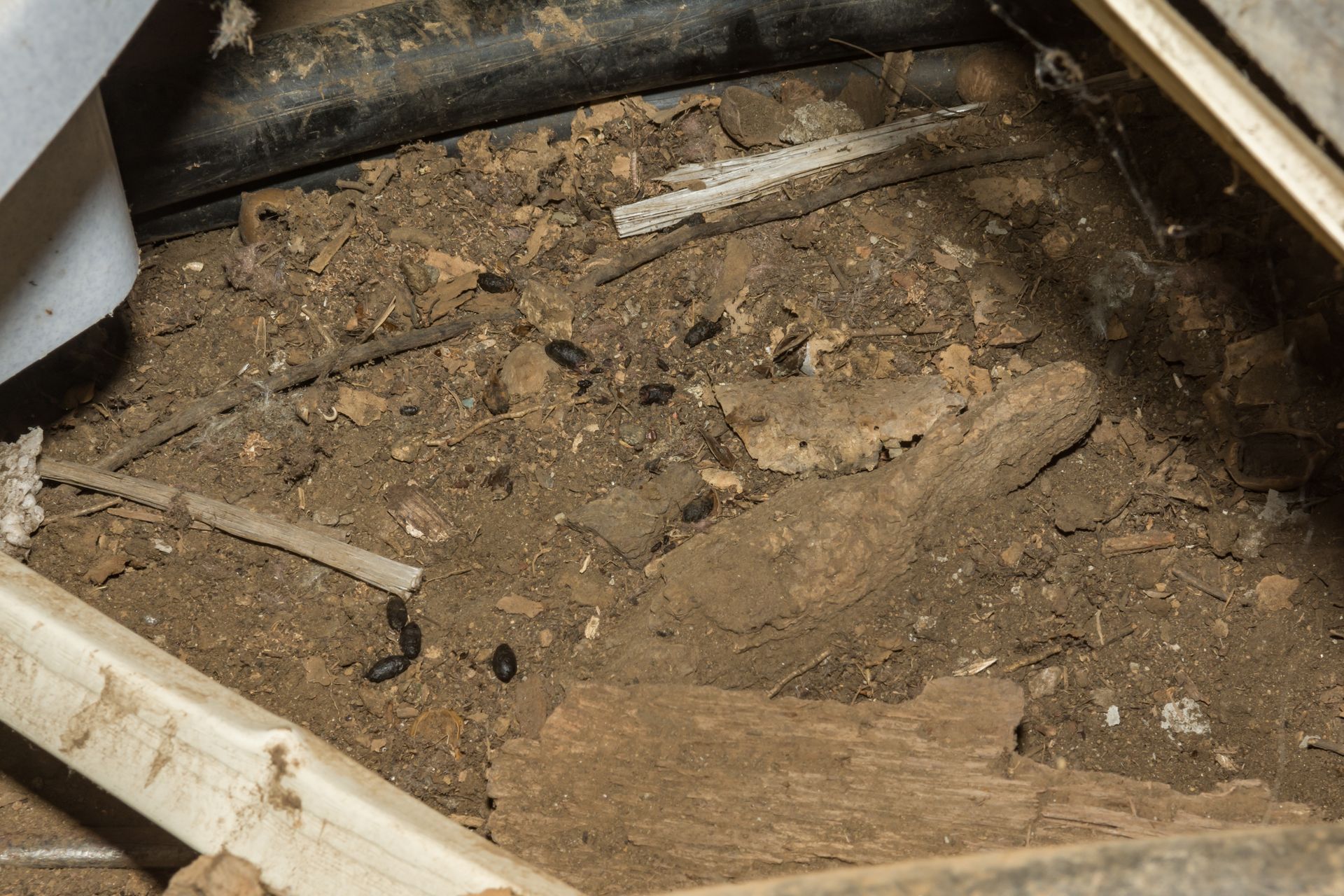
Mold Removal Starts With Finding the Moisture Source
Removing visible mold is only one part of restoring a crawlspace. If the humidity, water intrusion, condensation, drainage issue, or ventilation problem that allowed the mold to grow is not corrected, contamination may eventually return.
Insta Dri begins by evaluating the crawlspace for both visible mold and the conditions supporting it. Our team looks for elevated moisture levels, plumbing leaks, groundwater intrusion, exposed soil, damaged insulation, condensation, foundation openings, and other areas where humid air or water may be entering the space.
Once we understand the source of the problem, we can recommend a solution that addresses both the existing mold and the underlying moisture conditions. Depending on the home, that may include mold remediation, removal of contaminated insulation, drainage improvements, vapor-barrier installation, crawlspace encapsulation, ventilation correction, or a dehumidification system.
This complete approach helps Knoxville homeowners avoid treating the same symptoms repeatedly while the original moisture problem continues beneath the home.
Moisture Inspection
We inspect the crawlspace for water intrusion, excessive humidity, condensation, plumbing leaks, exposed soil, and damp building materials.
Mold Evaluation
Our team identifies visible growth, affected surfaces, damaged insulation, and areas where contamination may have spread beyond the most obvious location.
Remediation Planning
We determine which materials may be cleaned, treated, dried, repaired, or removed based on their condition and the extent of contamination.
Long-Term Moisture Control
When needed, we recommend encapsulation, drainage, sealing, insulation improvements, or dehumidification to help keep the crawlspace dry after remediation.
Our Crawlspace Mold Remediation Process
Every crawlspace is different. The appropriate remediation plan depends on the amount of mold present, the materials affected, the source of moisture, and whether structural wood, insulation, or other building components have sustained damage.
Insta Dri follows a thorough process designed to remove contamination, improve crawlspace conditions, and reduce the likelihood of future mold growth.
Step 1
Crawlspace Inspection and Moisture Assessment
We begin by examining accessible areas of the crawlspace for visible growth, musty odors, water intrusion, condensation, damaged insulation, wood deterioration, and elevated moisture levels.
We also look beyond the mold itself to determine why the crawlspace became damp enough to support growth.
Step 2
Identify the Affected Materials
Mold may be present on floor joists, subflooring, support beams, insulation, masonry, stored materials, or other crawlspace surfaces.
Our team evaluates which materials can be treated and which porous or heavily contaminated materials may need to be removed.
Step 3
Establish Containment and Protect the Home
When necessary, the work area is isolated to help prevent dust, debris, and disturbed mold particles from spreading into unaffected parts of the crawlspace or home.
The exact containment approach depends on the size and accessibility of the affected area.
Step 4
Remove Mold and Contaminated Materials
Affected surfaces are cleaned and treated using methods appropriate for the material and level of contamination.
Damaged insulation, cardboard, wood debris, and other materials that cannot be properly cleaned may be removed from the crawlspace.
Step 5
Clean and Treat Remaining Surfaces
After contaminated materials are removed, accessible framing and other affected surfaces are cleaned and treated.
HEPA vacuuming and antimicrobial treatments may be used as part of the remediation process when appropriate.
Step 6
Correct the Moisture Problem
The final step is addressing the moisture condition that contributed to the mold.
Depending on the inspection findings, recommendations may include:
- Crawlspace encapsulation
- Vapor-barrier installation
- Drainage improvements
- Foundation or plumbing repairs
- Vent sealing
- Insulation replacement
- Crawlspace dehumidification
- Grading or exterior water-control improvements
Our goal is not simply to make visible mold disappear. We help create a cleaner, drier crawlspace that is less likely to support future contamination.
Signs You May Need a Crawlspace Mold Inspection
Crawlspace mold is not always visible from inside the home. In many cases, homeowners first notice changes in indoor air, humidity, flooring, or odors before they realize there is a moisture problem beneath the house.
Schedule an inspection when you notice any of the following conditions:
Musty Odors Inside the Home
Persistent earthy or musty smells may originate in the crawlspace and move into the living area through gaps around flooring, plumbing, ductwork, or utility penetrations.
Visible Growth on Floor Joists or Subflooring
White, green, gray, or dark discoloration on wooden framing may indicate microbial growth, moisture staining, or another condition that requires professional evaluation.
Damp or Sagging Insulation
Fiberglass insulation can absorb moisture, collect debris, and lose effectiveness. Wet or contaminated insulation may need to be removed rather than simply dried in place.
Condensation on Ductwork or Pipes
Condensation often indicates that the crawlspace humidity is too high. Continued moisture can create favorable conditions for mold and wood deterioration.
Warped or Uneven Flooring
Moisture beneath the home can affect the subfloor and floor system. Cupping, buckling, soft spots, or uneven floors may be connected to crawlspace humidity or structural deterioration.
Standing Water After Heavy Rain
Water beneath the home may point to drainage problems, groundwater intrusion, foundation openings, plumbing leaks, or inadequate exterior grading.
High Indoor Humidit
Because air from the crawlspace can enter the home, persistent humidity beneath the house may contribute to uncomfortable indoor conditions and moisture problems in other areas.
Concerned About Moisture or Mold Beneath Your Home?
Insta Dri provides crawlspace mold inspections and moisture assessments for homeowners throughout Knoxville and surrounding East Tennessee communities.
Insta Dri already offers a dedicated mold-inspection service that uses moisture readings and evaluates crawlspaces, basements, and other suspected areas.
Mold Remediation and Crawlspace Encapsulation Solve Different Problems
Mold remediation and crawlspace encapsulation are related services, but they are not the same.
Mold remediation addresses existing contamination. The work may include cleaning affected wood, removing contaminated insulation or debris, treating surfaces, and improving conditions in the affected area.
Crawlspace encapsulation is a moisture-control system intended to reduce the conditions that allow mold to grow. The crawlspace is separated from exposed soil and humid outdoor air using a heavy-duty vapor barrier, sealed vents and openings, and other moisture-management components.
Some homes need mold remediation without full encapsulation. Others benefit from combining the services so existing contamination is removed before the crawlspace is sealed and conditioned.
Mold Remediation May Include
- Inspection of visible and suspected growth
- Identification of affected materials
- Containment of the work area
- Removal of contaminated insulation or debris
- Cleaning and treatment of accessible surfaces
- HEPA vacuuming where appropriate
- Recommendations for correcting the moisture source
Crawlspace Encapsulation May Include
- Installation of a heavy-duty vapor barrier
- Sealing exposed soil
- Sealing vents and exterior openings
- Insulation improvements
- Moisture and humidity management
- Optional crawlspace dehumidification
- Long-term protection against damp conditions
When both services are recommended, remediation should address the existing mold before the crawlspace is fully encapsulated. Sealing a crawlspace without first evaluating active contamination may leave damaged or affected materials in place.
Insta Dri’s current encapsulation service includes vapor-barrier installation, vent sealing, insulation improvements, and optional dehumidification for Knoxville-area homes
What to Know Before Starting Mold Removal
Homeowners often ask how the work is performed and what conditions require attention before the crawlspace is considered safe and dry.
What causes mold to grow in crawlspaces even when there is no visible water leak?
Mold develops when relative humidity exceeds sixty percent for prolonged periods, which occurs when soil moisture evaporates into stagnant air or when vented crawlspaces draw in humid outdoor air during summer months in Knoxville.
How long does crawlspace mold removal take?
Most projects require one to three days depending on the extent of contamination, accessibility, and whether encapsulation or drainage work is included alongside remediation.
When should you address mold in the crawlspace instead of waiting?
You should act as soon as you detect musty odors indoors, notice increased humidity on the main floor, or see discoloration on joists during routine inspections, because mold spreads rapidly once established.
Why is moisture control necessary after mold removal?
Removing mold without addressing the moisture source only provides temporary relief, as spores will recolonize surfaces within weeks if humidity and dampness persist in the crawlspace environment.
What materials are typically removed during remediation?
Technicians remove fiberglass or cellulose insulation that has absorbed moisture, along with any porous materials such as cardboard or wood debris that cannot be adequately cleaned and dried.
Insta Dri, LLC works with homeowners throughout Knoxville to restore crawlspaces to dry, mold-free conditions and implement long-term moisture management solutions. Reach out to discuss inspection scheduling and moisture control options specific to your home.